2018 Awards
Acorn Foundation Fiction Prize

The New Animals
Published by: Victoria University Press

Pip Adam
The New Animals is a strange, confrontational, revelatory novel that holds a mirror up to contemporary New Zealand culture. Adam handles a large ensemble of unrooted characters with skill. She gets beneath the skin of her characters in ways that make the reader blink, double-take, and ultimately reassess their sense of the capabilities of fiction. A transition late in the novel is both wholly unexpected and utterly satisfying. It’s stylistically raw and reveals a good deal in a modest way. The New Animals is so vivid in imagery and imagination that the judges haven’t stopped thinking about it since. In this category in 2018 it’s the book with the most blood on the page. It will give you an electric shock. It will bring readers back from the dead.
Poetry Award

Night Horse
Published by: Auckland University Press

Elizabeth Smither
The 2018 Ockham New Zealand Book Awards Poetry Award is for a book by an esteemed and celebrated poet who contributes greatly to the New Zealand writing community. Night Horse delights in animals, reflects on the well-being and the passing of friends and family, and the minutiae of care, such as the poem about ironing a friend’s shirts in return for hospitality, or the friend whose swollen feet will only fit slippers despite racks and racks of shoes, or the sublime answer of Pope Francis to a child who asked how Jesus walked on water — ‘He walked as we walk’ — or the car lights focused on a horse at night entranced by moonlight, or lovers holding hands. These poems are gentle, uplifting, tender, humorous, well-crafted and luminous.
Illustrated Non-Fiction Award
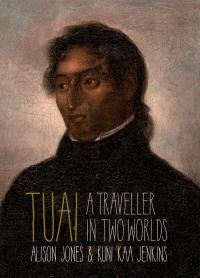
Tuai: A Traveller in Two Worlds
Published by: Bridget Williams Books


Alison Jones and Kuni Kaa Jenkins
Tuai: A Traveller in Two Worlds presents an evocative picture of young Māori travelling to England; their encounters with people, illness and industry there, and their return home. Tuai is empathetically written, providing the reader a window into a contested time of meeting, conversion and enterprise. The text and illustrations work in concert, presenting a rounded and rich experience for the reader, enhancing the breadth and depth of the research explored within.Key moments are presented so richly that they envelop and captivate the imagination. The care the authors have given these histories, acknowledging the autonomy that mātauranga Māori has in wider Aotearoa historical narratives, is striking, and we need more of it.


